NEW: UAE VAT Registration for foreign businesses — sell locally in the UAE without a UAE company.
Learn MoreEvery product that moves forward in a supply chain eventually moves backwards — whether for return, repair, recycling, or resale. That backward movement is the domain of reverse logistics — the process of managing goods as they travel from the customer back to the manufacturer or authorized partner.
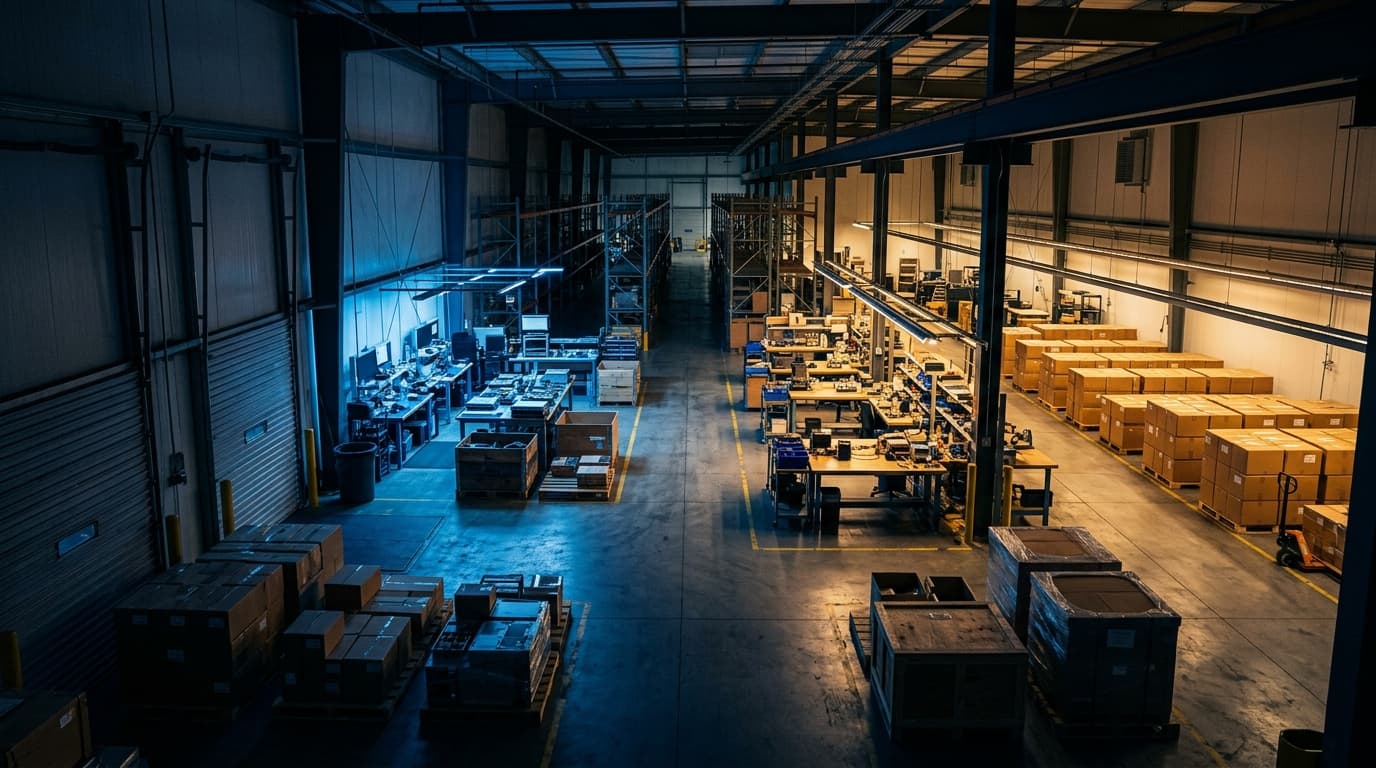
Today, reverse logistics is a $1.17 trillion global industry. It sits at the intersection of sustainability, cost recovery, and customer experience, turning what used to be a cost center into a core element of value creation.
In short, it’s where the supply chain closes its loop — and starts again.
Reverse logistics is the process of moving goods from the end user back to the manufacturer, distributor, or recycler — whether for return, repair, recycling, or reuse.
It’s the operational side of the circular supply chain, where companies recover value from returned or end-of-life products instead of losing it.
Unlike forward logistics, which focuses on delivering new goods to customers, reverse logistics handles everything that happens after the sale — turning post-purchase activity into business intelligence, compliance assurance, and sustainability value.
Aspect | Forward Logistics | Reverse Logistics |
|---|---|---|
Direction | Supplier → Customer | Customer → Supplier |
Objective | Delivery & Satisfaction | Recovery & Sustainability |
Key Activities | Order fulfilment, distribution | Returns, repair, recycling |
Reverse logistics is no longer an afterthought — it’s a competitive advantage.
When managed strategically, it reduces waste, saves costs, and turns returns into retention.
Why It Matters
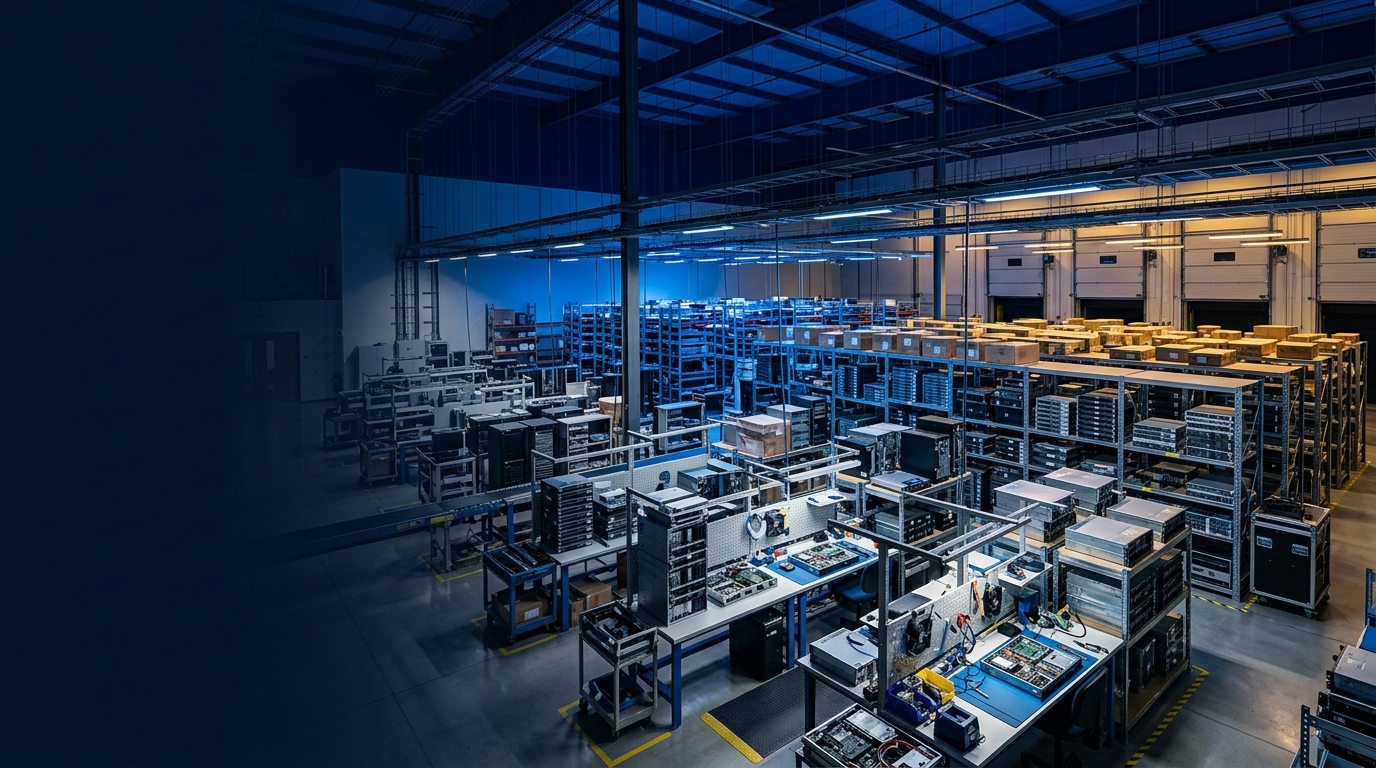
Cost Recovery: Reclaims value from products that would otherwise be written off.
Sustainability: Supports recycling, refurbishment, and circular economy goals.
Customer Retention: Simplified returns build long-term trust.
Compliance: Meets WEEE, EPR, and environmental reporting obligations.
Brand Resilience: Demonstrates accountability and ESG commitment.
Note
Reverse logistics connects sustainability with profitability — doing good and saving costs simultaneously.
Reverse logistics takes many forms depending on industry, product type, and business objective.
01.
Efficiently managing returned goods reduces costs and keeps customers loyal.
Example: Amazon and Decathlon use automated RMA portals to pre-approve and route returns based on location and product category.
02.
High-value goods, such as electronics and medical equipment, are restored to their original performance standards.
Example: Cisco and GE Healthcare refurbish networking hardware and MRI components, extending lifecycle and reducing e-waste.
03.
Materials and components are recovered for reuse in accordance with sustainability and regulatory standards.
Example: Apple’s Daisy robot disassembles iPhones to recover rare metals like cobalt and gold, while Dell operates closed-loop plastics recycling programs.
04.
Efficient RMA (Return Merchandise Authorization) systems speed up turnaround and customer satisfaction.
Example: Dell and HP run global RMA centres where laptops and servers are repaired and redeployed within days — keeping SLAs on track.
05.
Reusable pallets, crates, and containers reduce packaging waste and logistics costs.
Example: Coca-Cola and PepsiCo use refillable glass bottles and returnable crates. IKEA employs foldable pallets to cut single-use packaging waste by 30%.
06.
When products reach the end of their useful life, materials are safely extracted or repurposed.
Example: Canon and Xerox recover toner cartridges for remanufacturing, while Tesla reclaims battery metals from EOL vehicles for new production.
Reverse logistics follows a clear five-stage cycle designed to optimize value recovery:
Customers request returns through an RMA or portal.
Returns are approved, labeled, and routed for pickup.
Goods are evaluated and categorized — resell, repair, or recycle.
Items are reconditioned or processed for material recovery.
Products are restocked, resold, or sustainably disposed of.
Note
Speed = Value Recovery. The quicker a return is processed, the greater the retained value and customer satisfaction.
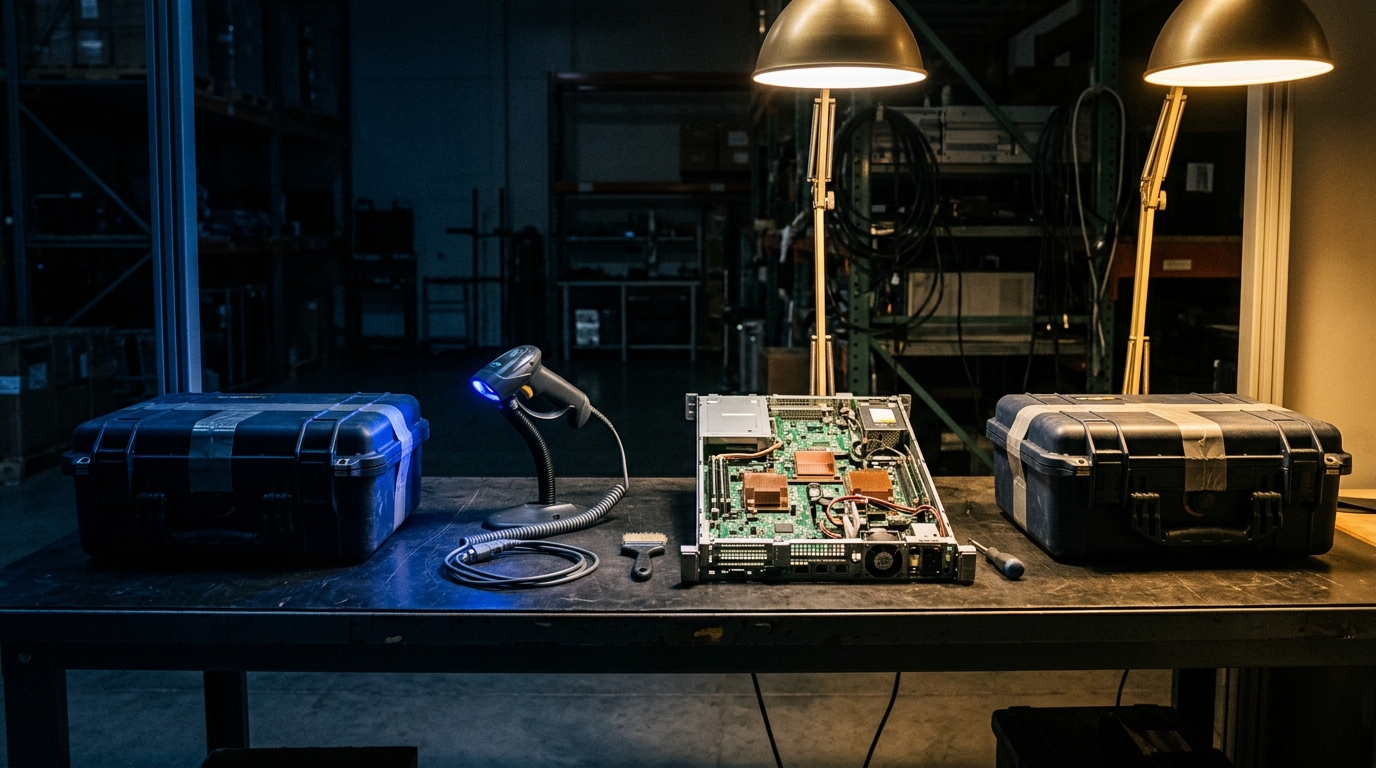
Electronics and IT hardware are among the most regulated return categories — requiring strict control over compliance, data, and cross-border movement.
Key Considerations
Compliance with WEEE, EPR, and R2 standards
Data wiping before refurbishment or resale.
Serial and asset tracking for RMAs
IOR/EOR partners managing customs and environmental obligations
Note
In the tech sector, reverse logistics isn’t optional — it’s the backbone of compliance, data security, and sustainability.
A well-designed reverse logistics system doesn’t just manage returns — it creates measurable business value.
From cost reduction to customer trust, its impact reaches every corner of the supply chain.
Benefit |
|
|---|---|
Cost Optimization | Reduces storage, freight, and write-offs |
Sustainability Gains | Supports circular reuse and lowers waste |
Customer Loyalty | Fast, frictionless returns improve trust |
Regulatory Compliance | Meets EPR/WEEE and customs requirements |
Data Intelligence | Product feedback improves design and quality |
Even the most advanced supply chains face obstacles in managing reverse flows.
Visibility gaps, complex regulations, and inconsistent policies often slow recovery — but each challenge has a clear solution.
Limited visibility of returns -> Integrate WMS and ERP systems
High transportation costs -> Use centralized return hubs
Fragmented processes -> Standardize RMA workflows
Regulatory complexity -> Partner with IOR/EOR specialists
Data gaps -> Apply analytics to track patterns
To unlock the full value of returns, businesses must adopt structured, technology-enabled practices.
These best practices streamline operations, reduce waste, and ensure compliance across borders.
Automate RMA workflows and notifications.
Use predictive analytics to anticipate return volumes.
Centralize regional return hubs to cut costs.
Align forward and reverse routes to reduce empty miles.
Track KPIs: Return Rate, Refurbish Rate, Cost per Return, Recycle %.
Partner with compliance-driven IOR/EOR or reverse logistics providers.
Reverse logistics is the operational core of the circular economy — the system that keeps materials and products in use longer instead of letting them go to waste.
By linking take-back, recycling, and refurbishment, it enables a true “closed loop” for sustainable business growth.
Manufacturers increasingly face Extended Producer Responsibility (EPR) and WEEE regulations that require them to reclaim used products.
Reverse logistics turns these obligations into measurable performance — balancing environmental impact with economic gain.
Make → Use → Return → Reuse → Recycle → Remake
Every loop shortens waste and extends value, transforming compliance into a competitive advantage.
Cisco Systems – Turned its returns division into a value-recovery program. By refurbishing and reselling usable hardware, Cisco recovered over US$80 million annually and cut waste by 40%. (Source: SupplyChainBrain)
Rent the Runway – Uses an advanced reverse logistics network to clean, inspect, and repackage returned garments for re-rental instead of disposal — keeping inventory in circulation. (Source: Mecalux)
IKEA – Analyzed product-return data to detect quality issues and improve warehouse processes, lowering return rates and reducing storage costs. (Source: Fenix Technical University Study)
Optoro – Provides retailers with software that automates return disposition — resell, recycle, or liquidate — to recover higher margins and reduce landfill waste. (Source: Optoro)
Reverse logistics is entering a new phase — one defined by automation, data intelligence, and design for circularity.
As product life cycles shorten and sustainability standards tighten, the reverse flow will become as strategic as the forward one.
AI-Driven Return Forecasting: Predicting and planning for return volumes before they occur.
Circular Product Design: Creating goods engineered for reuse, repair, and recycling.
Robotics & Vision Systems: Automating inspection, disassembly, and sorting.
Collaborative Ecosystems: Integrating manufacturers, recyclers, and IOR/EOR partners in shared data environments.
Carbon-Neutral Logistics: Optimizing routes and modes for lower emissions across the full return loop.
Insight
The future belongs to supply chains that can think backward — turning every return into intelligence, every repair into innovation, and every product cycle into sustainability.
Every return represents a second chance — to recover value, retain trust, and reduce environmental impact. A well-built reverse logistics system ensures that no shipment, part, or material is ever wasted.
Working with an experienced Importer of Record (IOR) or reverse logistics partner makes the entire process hassle-free and globally compliant — from customs clearance to RMA management and recycling certifications. They handle the paperwork, permits, and product re-entries, so your team can focus on growth, not red tape.
Turn returns into results — and logistics into a lasting advantage.
Get a Reverse Logistics Quote
